
If you’ve sold or let a home recently, you may have been told Scotland’s Energy Performance Certificates are being overhauled “this October”. They’re not. On 17 March 2026 the Scottish Government confirmed the reform will not go live in October 2026, and pushed it back to the second half of 2027 at the earliest. No firm new date has been set.
It’s worth knowing where this actually stands, because the change itself is a good one — and one part of it is genuinely good news if you heat your home with a heat pump, or are thinking about it. Here’s the plain-English version.
What was meant to happen — and what’s now true
The plan was for a new-style EPC to become mandatory on 31 October 2026, replacing a system that has barely changed since the 2008 regulations. That date is gone. In March the Scottish Government said it would delay to line up with the UK Government, which had postponed its own EPC reforms to the second half of 2027, so that both use a shared assessment methodology and assessors only have to retrain once.
What that means for you today is simple: nothing changes yet. The current EPC — the single A–G rating you already recognise — stays in force until further notice. An EPC you hold now remains valid for its full ten years, and if you’re selling or letting, the existing rules still apply. A new launch date will only be confirmed once the UK and Scottish governments and the assessment industry agree a shared timeline.
What the new EPC will look like when it does arrive
The reform is still coming — just later. The headline change is that the single number on the front of the certificate gets split into three separate ratings, because that one number was trying to describe three different things at once. When it lands, a domestic EPC is set to show:
- Heat Retention Rating — how well the building itself holds heat (its fabric), based on the modelled energy (kWh/m² per year) needed to heat the home to a comfortable 21°C.
- Heating System Rating — how clean and efficient your main heating system is. Heat pumps fall into the “Clean Heating” band — low- or zero-emission systems.
- Energy Cost Rating — the estimated cost of running the home under standardised conditions.
Each is still shown on the familiar A (best) to G (worst) scale, with a “current” and a “potential” figure. Two other changes come with it: an EPC’s validity drops from ten years to five, so the information stays current, and every certificate is set to come with a new Property Report — tailored, plain-English guidance on what to improve and what difference each measure would make — replacing the old recommendations page, alongside a digital tool for exploring the options.
Why splitting the rating matters for heat pumps
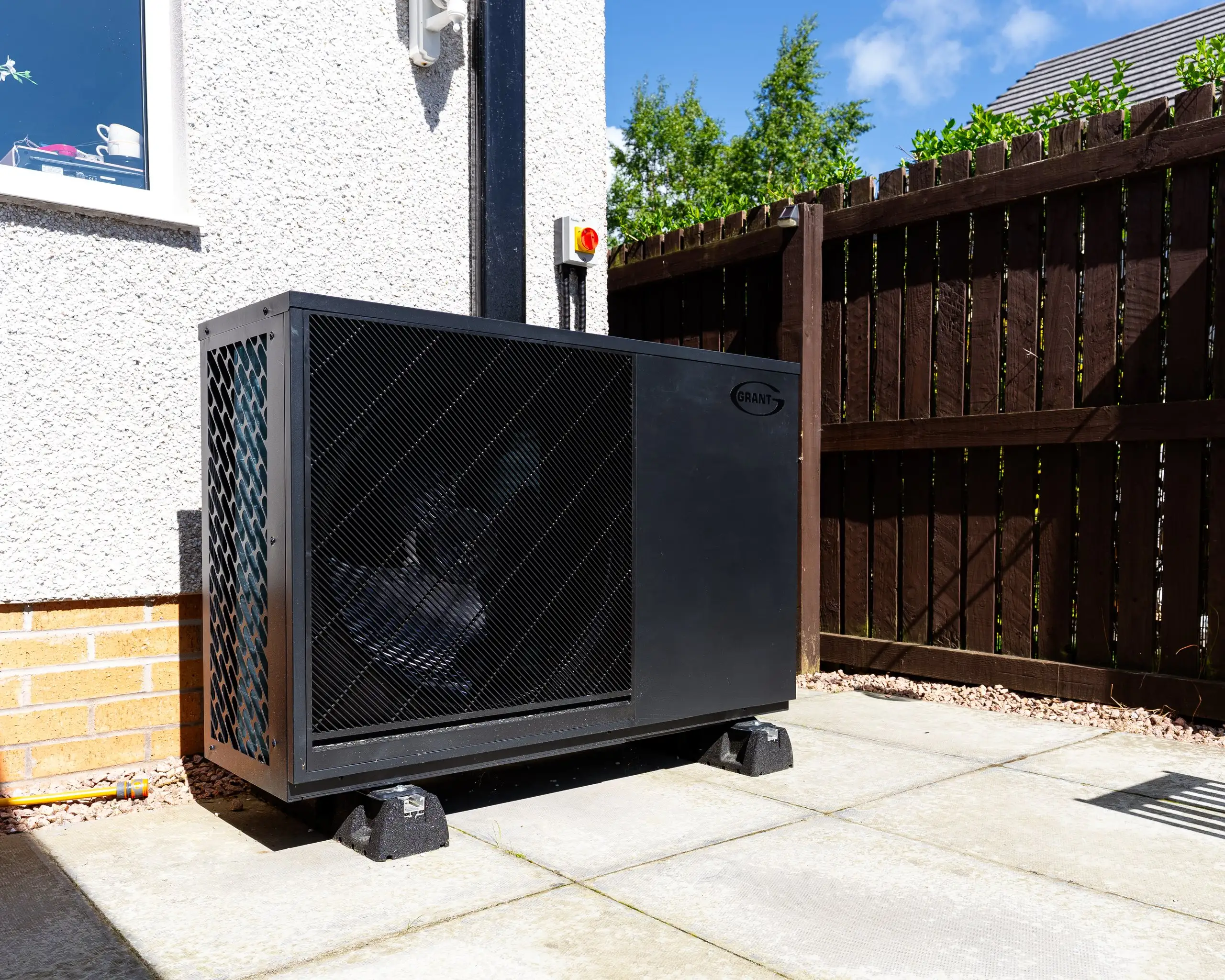
This is the part worth pausing on. Under today’s single rating, the headline score leans heavily on running cost, and because a unit of electricity costs several times more than a unit of gas, swapping a gas boiler for a heat pump can actually make a home’s EPC number look worse — even though you’ve fitted a cleaner, well-insulated-friendly system. It’s a genuine quirk that has confused plenty of owners, and it’s put some people off.
Separating fabric from heating system fixes that. The new Heat Retention Rating judges your insulation on its own merits — a well-built, well-insulated home scores well whatever is bolted to the wall outside — and the Heating System Rating recognises a heat pump as clean heating rather than quietly penalising it on price. It’s a fairer picture of a home, and a more useful one: it tells you plainly whether your next pound is better spent on the fabric or on the heating.
That order — fabric first, then the heating system — is exactly how we approach a heat pump anyway. Every install starts with a room-by-room heat-loss survey, because a warm, draught-free house needs a smaller, cheaper, quieter heat pump to keep it comfortable. The new EPC will simply make that logic visible on paper.
What to do in the meantime
Honestly, nothing you have to rush. Your current EPC is valid, the current rules apply to any sale or let, and there’s no benefit to second-guessing a system that hasn’t launched. If you’re improving your home, the sensible moves are the same ones they’ve always been and don’t depend on the certificate at all: deal with the fabric — insulation and draughts — then look at a clean heating system. Both count towards the Home Energy Scotland grant of up to £7,500 (up to £9,000 for rural and island homes), plus an interest-free loan on top.
If a heat pump is on your mind, get an indicative estimate or ask us to run the numbers on your house.
Common questions
Is my current EPC still valid? Yes. Existing EPCs remain valid for their full ten years, and the current system stays in place until the reform launches — which won’t be before the second half of 2027.
I’m selling or letting soon — do I need to wait for the new EPC? No. The existing rules and the existing certificate apply. There’s no need to delay a sale or a tenancy to get a “new-style” EPC, because the new style isn’t available yet.
Will installing a heat pump lower my EPC rating? Under today’s cost-weighted single rating it sometimes can, which is one of the things the reform is designed to fix. The new fabric-based Heat Retention Rating won’t drop because you’ve changed your heating, and the separate Heating System Rating treats a heat pump as clean heating. In the meantime, we’re always happy to explain how your specific home is likely to score.
Should I get an EPC assessment now or wait? If you need one for a sale or a let, get it now under the current system — it’s valid for ten years. There’s no advantage to waiting for a launch date that hasn’t been set.
Does any of this change the grants or the 0% VAT on a heat pump? No. Home Energy Scotland funding and the 0% VAT on residential heat pump installations (in place until 31 March 2027) are entirely separate from the EPC reform and are unaffected by the delay.
Sources: Scottish Government, “Reforming Energy Performance Certificates” and the Energy Performance of Buildings (Scotland) Regulations 2025 consultation responses (gov.scot); Scottish Government confirmation of 17 March 2026 that the 2025 Regulations will not commence in October 2026 and will be delayed to align with the UK Government’s revised timeline for the second half of 2027, as reported by Elmhurst Energy, Propertymark and the Association of Scotland’s Self-Caterers. New three-metric rating system, five-year validity and Property Report per the Scottish Government’s EPC reform consultation response. Grant figures per Home Energy Scotland.